
The Role of Nutrition in Teen Fitness: Fuelling Growth and Performance
Adolescence is a period of rapid growth that demands proper fuel. A practical guide to the nutrients, hydration, and habits that power teen fitness.
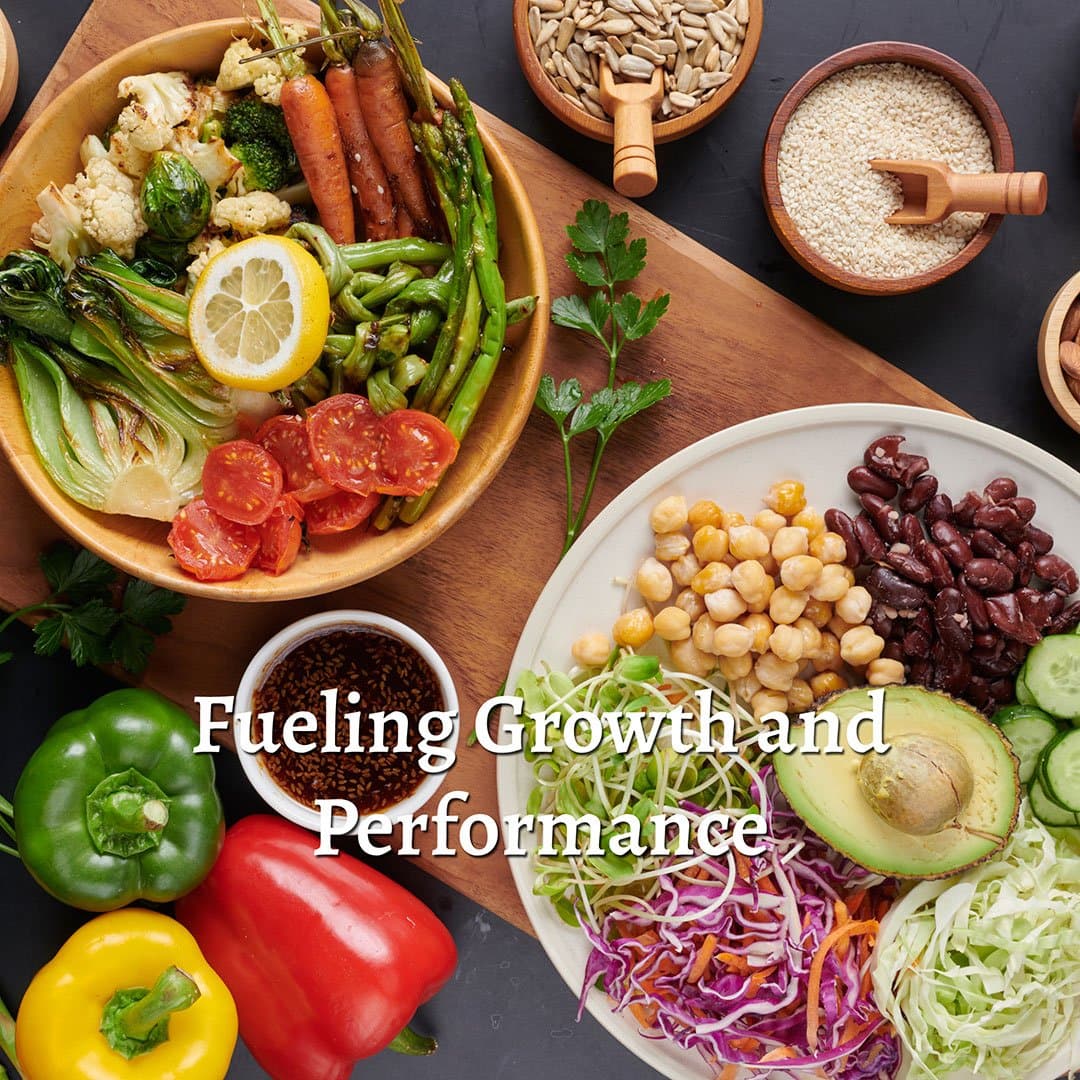
Adolescence is a critical period requiring proper nutritional support due to rapid development and physical change. Nutrition directly impacts energy levels, cognitive function, mood stability, and athletic performance. Insufficient nutrition can lead to fatigue, concentration difficulties, weakened immunity, and stunted growth.
Understanding Teenage Nutrition Needs
Teenagers have distinct nutrient requirements. Rapid development demands balanced diets rich in protein, carbohydrates, healthy fats, vitamins, minerals, and water. Individual needs vary with gender, age, activity level, metabolism, and growth rate — and are shaped by sleep, stress, and social influences.
Common deficiencies include iron, calcium, vitamin D, and omega-3 fatty acids, often resulting from inadequate intake or increased demands during growth spurts.
Building Blocks of a Balanced Diet
- Carbohydrates — the body's primary fuel source
- Proteins — enable muscle repair, growth, and hormone production
- Healthy fats — support brain development, hormones, and nutrient absorption
- Vitamins and minerals — power metabolic processes, bone formation, and immunity
- Fibre — maintains digestion, regulates blood sugar, and promotes fullness
Hydration: The Forgotten Nutrient
Hydration is critical for performance and temperature regulation. Watch for thirst, dry mouth, fatigue, dizziness, and dark urine. Consistent fluid intake before, during, and after exercise prevents dehydration and protects endurance, strength, and reaction time.
Pre-Workout Fuelling
Combine carbohydrates for energy with protein for muscle support. Good options include whole-grain toast with peanut butter, Greek yogurt with fruit, or oatmeal with nuts and berries.
Ideally, teenagers should eat a meal or snack containing carbohydrates and protein 1–3 hours before exercise to ensure adequate fuel and minimise discomfort.
Post-Workout Recovery
Post-exercise nutrition speeds muscle repair and restores glycogen. Pair quality protein — lean meats, fish, eggs, dairy, tofu, or legumes — with carbohydrates from whole grains, fruits, and vegetables.
Snack Smart
Choose nutrient-dense snacks: nuts and seeds, yogurt with fruit, vegetable sticks with hummus, whole-grain crackers with cheese, or trail mix. Minimise processed and sugary snacks, and practise portion control.
Balancing Nutrition with Teen Life
Busy schedules, academic stress, and peer pressure all challenge healthy eating. Nutrition education, meal planning, and involving teens in shopping and cooking build lifelong skills. When dining out, encourage grilled or baked options, vegetable sides, and limited sugary drinks.
Final Thoughts
Nutrition fundamentally supports teenage fitness by fuelling growth and performance. Recognising adolescents' unique needs and providing consistent nutritional support promotes optimal health, development, and athletic success.
Ready to begin your journey?
Explore Bodhi's Yoga Teacher Training and wellness programs — and turn insight into practice.
Explore our courses