Balancing Yoga Pose
Flying Pigeon Pose
Eka Pada Galavasana
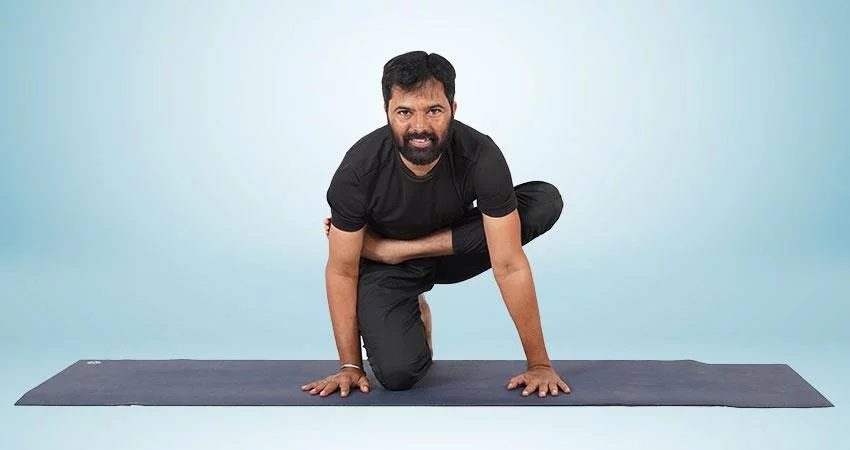
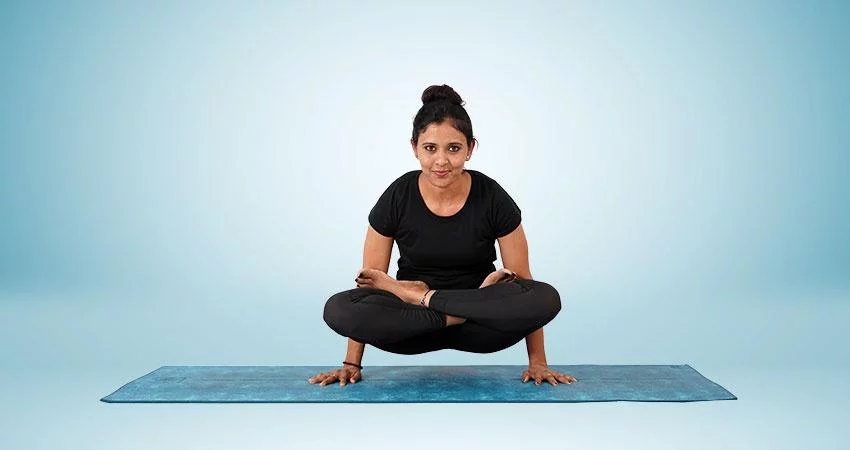
Eka Pada Galavasana (Flying Pigeon Pose) is an arm-balancing yoga pose that advanced practitioners love to practise. The pose demands considerable flexibility, skill, and both physical and mental fortitude. The Sanskrit derives from 'Eka' (one), 'pada' (leg), and 'Galava' (a sage, son of Vishvamitra), with 'asana' (pose). This pose cultivates courage and emotional resilience; regular practice grounds practitioners and works specifically with the Ajna Chakra.
DifficultyAdvanced
CategoryBalancing Yoga Pose
ChakraAjna (Third Eye) Chakra
 Advanced
How to do it
Steps to Perform Flying Pigeon Pose
- 1Stand in Tadasana. Bend the right leg and place the right foot just above the left knee.
- 2Bend the other knee as in Utkatasana and take the hips a little back.
- 3Bend forward and place the palms on the ground, shoulder-width apart. Bend the elbows.
- 4Gaze at a point for balance. Slowly shift the body weight to the arms, keeping the knees bent.
- 5Engage the core, balance here, and take your left foot off the mat.
- 6Keep engaging the core and slowly straighten the left leg. Keep breathing while holding the pose.
- 7To release, slowly drop the right leg, release the legs, and come to Tadasana.
Why practise it
Benefits
- Strengthens the entire upper body, glutes, and hips.
- Lengthens the legs and neck.
- Improves balance and concentration.
- Boosts confidence.
For beginners
Tips
- Focus on building strength in the arms and opening your hips.
- Warm up your body well before you attempt this pose.
- Practise hip rotations, intense stretches, and core strengthening, and prepare your glutes to get into the pose.
- To start, take the support of blocks to help support your arms; once confident, go directly on the mat.
Watch Out For
- People with shoulder or neck injury should avoid this asana.
- Anyone with high blood pressure or other heart conditions should not practise this asana.
Go further
Variations
- Keep your foot placed on the mat instead of lifting it into the air (an intermediate variation that also gives an intense stretch).
- Work toward stretching the lifted leg straight as strength and balance build.
Begin where you are.
Whether you want to teach, heal a specific thing, or simply move and breathe with people once a week — there's a door at Bodhi for that.